
Diplomacy
Alliances, declarations of war and well-timed betrayals shape every RoFront lobby. Learn how to team up, when to strike and how to survive the inevitable backstab.
Introduction
Diplomacy is the quiet half of RoFront strategy, and the half that most beginners ignore until it is too late. The game officially lists forged alliances as a core mechanic alongside building, military expansion and nuclear threats, and any serious player quickly learns that no nation wins the 80% world-control race entirely alone. Alliances let you share borders, coordinate wars and survive coalitions, while well-timed declarations of war and carefully used peace deals buy you time to rebuild after a lost offensive. The catch is that alliances in RoFront shift fast. Players backstab, coalitions form overnight, and the same ally who helped you break a rival can turn on you the moment the map thins. This category teaches you how to form, maintain and survive alliances in a game where betrayal is not a worst case but a certainty.
Diplomacy Tools Quick Reference
| Tool | What It Does | When To Use | Beware |
|---|---|---|---|
| Forged Alliance | Team up with nations, share borders and coordinate wars | When numbers beat solo power | Allies can backstab you |
| Declaration of War | Formally attack another nation | When you can actually win | Fighting everyone at once loses |
| Peace Deals | Buy time and rebuild after losses | After a lost offensive | Peace can hide a re-arm |
| Co-op Pacts | Coordinate expansions and shared defense | With trusted friends | Trust is earned, not promised |
| Backstab Timing | Turn on a former ally at the right moment | When the map thins to fewer powers | Revenge coalitions form fast |
Tool Breakdown
Forged Alliance
The official core mechanic behind every winning bloc
Declaration of War
The formal escalation that wins or loses wars
Peace Deals
The off-ramp that turns losses into recoveries
Co-op Pacts
The strongest coordination comes from real friends
Backstab Timing
Betrayal is not a worst case in RoFront — it is a certainty
Core Mechanics
RoFront's diplomacy layer sits directly on top of the military and map systems. Because all nations share one real-world map and compete for the same 80% goal, every border is a potential front and every neighbor is a potential ally or enemy. The core tool is the forged alliance, which the official description lists as one of the ways to grow: players team up, share borders, coordinate wars and divide responsibilities across the map. Declarations of war are the formal escalation — you signal that a border is now contested and commit to a shooting war rather than posturing. Peace deals are the mirror image: they let a losing side pause the fight, rebuild armies and income, and re-enter the race later. Co-op play makes diplomacy concrete — friends can plan shared expansions and defend each other across the map. The result is a constant decision loop about trust, timing and who benefits from every deal you sign.
Advantages
Good diplomacy multiplies what your army alone could achieve. An alliance lets you share borders, which shortens your lines of defense and opens coordinated invasions your enemy cannot answer with a single front. Declared wars become cheaper when allies split the enemy's attention, and peace deals turn lost offensives into recoverable setbacks instead of game-ending defeats. For the 80% race specifically, alliances are almost mandatory: a coalition of two or three mid-size nations can out-produce and out-fight a single superpower, which is why every serious lobby ends with competing blocs. Co-op pacts with trusted friends remove the coordination tax entirely, letting you plan shared expansions and defense across the map with the speed of a single player. Players who master diplomacy consistently end matches in the winning coalition rather than on the losing side of one.
Challenges
Diplomacy in RoFront has no in-game enforcement behind it. Alliances are a stated mechanic, but the game does not referee loyalty, and nothing stops a partner from walking away or declaring war on you an hour after signing. The community warns that alliances shift fast: coalitions are pragmatic, not sentimental, and the player who trusts a border completely is the easiest target in the lobby. Relying on peace deals has the same risk — a truce can simply be the other side re-arming. There is also no official documentation of how alliances are formed or enforced beyond the game description, so the exact mechanics are community-understood rather than published. Finally, diplomacy is only as good as your military standing; a nation with zero army has no negotiating power, because no ally needs a partner who cannot defend their shared border.
Frequently Asked Questions
How do alliances work in RoFront?+
When should I declare war in RoFront?+
How do I survive a betrayal in RoFront?+
Quick Tips
Treat every alliance like a renewable contract, not a marriage. Reconfirm the deal at each stage of the match — early alliances share borders and expansion routes, mid-game alliances coordinate wars, and endgame alliances decide who gets second place if the map thins to two blocs. Revisit the terms whenever the map changes: after one partner explodes in size, after a rival dies, after your shared border becomes a choke point. The players who survive RoFront diplomacy are the ones who renegotiate constantly instead of assuming yesterday's agreement still holds today.
Balance the map instead of just winning your own corner. A small nation that helps the strongest power grow is doing everyone else's job for them — the strongest ally will eventually want your land too. Community players advise keeping the field balanced: support weaker allies against the dominant bloc, refuse to feed a superpower more wars to win, and use your alliance's structure to make yourself valuable enough to keep rather than cheap enough to consume. The diplomatic players who finish on the winning side are usually the ones who spent the match shaping who was strong, not just who they liked.
Watch your co-op pacts for hidden costs. Playing with friends is the most reliable way to coordinate — you can plan shared expansions and defense across the map with real coordination speed. But shared borders mean shared risks: a war your friend starts becomes a war you must help defend, and a friend's collapse leaves your flank exposed. Agree on expansion lanes and war triggers before the match, keep a clear non-aggression line between your spheres of influence, and never rely on a friend's defense to protect your income core while your own army is campaigning far away.
Featured
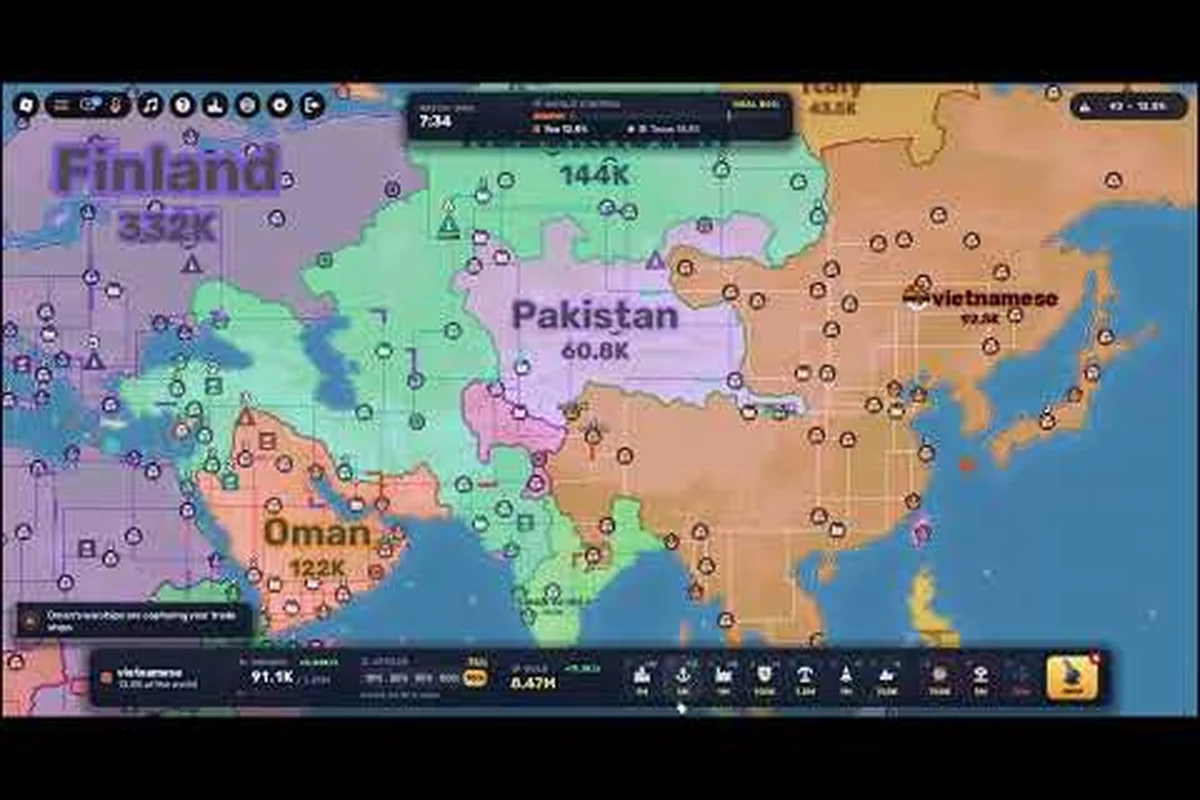
RoFront rofront alliance betrayal guide: react and recover
Use rofront alliance betrayal guide tactics to spot warning signs, protect key assets, contain losses, and rebuild after an ally turns hostile.
RoFront rofront alliance strategy for stronger territorial plays
Build rofront alliance strategy around worthwhile partners, shared targets, coordinated attacks, and clear terms that keep cooperation effective.
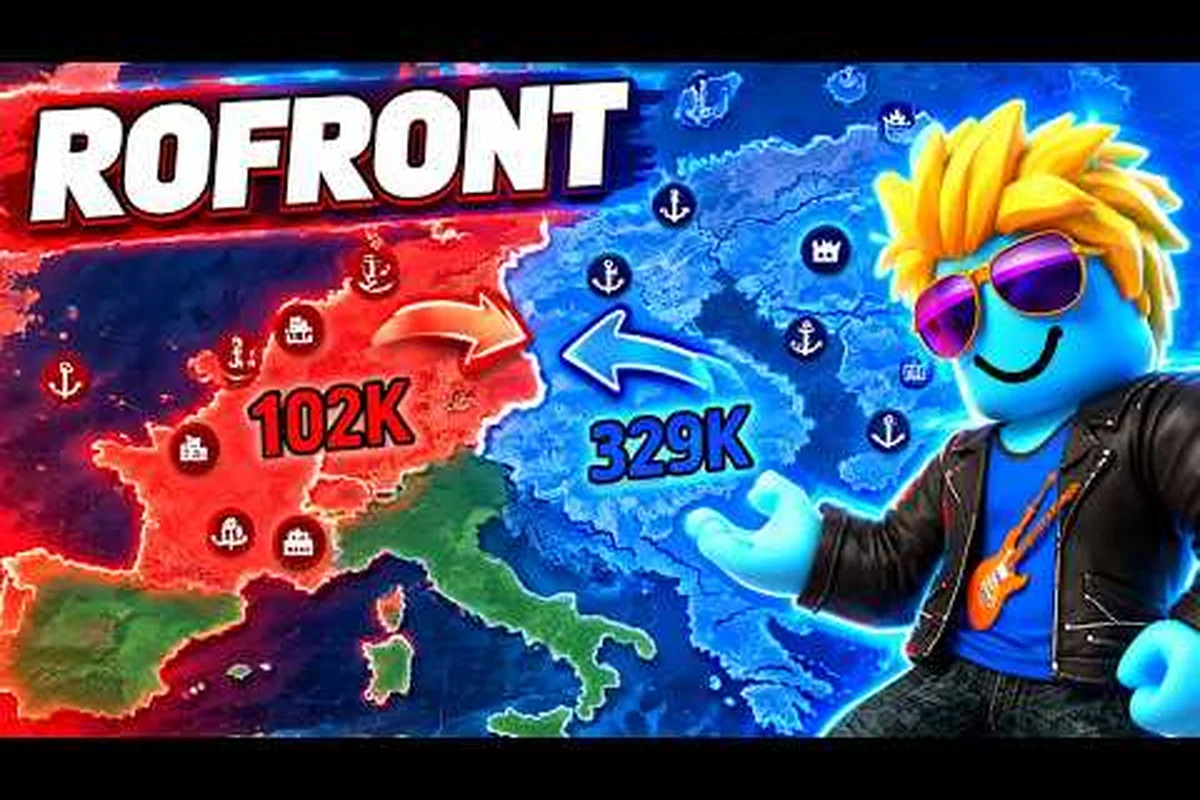
RoFront rofront diplomacy guide for allies, wars, and peace
Learn rofront diplomacy guide tactics for forming useful alliances, negotiating peace, choosing wars, and coordinating with partners across the shared map.
All Articles
RoFront rofront enemy guide: Handle Aggressive Neighbors
Master the rofront enemy guide to read player patterns, manage AI tribes, choose diplomacy or force, and respond safely to aggressive neighbors.
RoFront rofront how to make peace after a costly conflict
Learn rofront how to make peace with clear terms, rebuilt trust, protected territory, and diplomatic timing that prevents an agreement from collapsing.
RoFront rofront how to start a war without overextending
Learn how to start a war in RoFront by judging timing, troop strength, nearby threats, economic readiness, and the risk of provoking multiple enemies.
RoFront rofront alliance tips for co-op that actually works
Use rofront alliance tips to choose partners, share targets, coordinate timing, manage peace, and avoid conflicts of interest in team matches.