
Military
RoFront military strategy explained: army size, troop sending, attack pacing and defending the cities, ports and factories that fund your soldiers.
Introduction
RoFront military strategy is where most matches are actually won and lost. Troops are the tool that claims territory, breaks borders and defends the cities, ports and factories that fund your entire campaign. The community guide meta is remarkably consistent about the fundamentals: save your troops early, send only small stacks to unclaimed land, and avoid early fights with real players until your economy can support replacements. As the match matures, you must learn to match your stack size to the job, attack the weak borders of rivals instead of feeding your strongest enemy, and protect the economy buildings that recruit every new soldier. This category distills those habits into practical, phase-by-phase military advice for new and returning players.
Military Fundamentals Quick Reference
| Rule | Detail | Phase | Result |
|---|---|---|---|
| Save Troops Early | Send only small stacks to unclaimed lands | Early game | Core army survives to the first real war |
| Match Stack Size | Recon, claiming and invasion scale differently | All phases | You stop over-committing to small jobs |
| Attack Weak Borders | Focus soft targets, split opponents | Mid match | You never feed your strongest rival |
| Defend the Economy | Protect cities, ports and factories | All phases | Recruitment never stalls mid-war |
| Time Declarations | Pick wars you can win, use peace to rebuild | Late game | You avoid fighting the whole map at once |
Rule Breakdown
Save Troops Early
Your opening force is your whole future army
Match Stack Size
Recon, claiming and invasion are different jobs
Attack Weak Borders
Split opponents instead of feeding your strongest rival
Defend the Economy
Lose buildings and you stop recruiting
Time Declarations
Pick the wars you can actually win
Core Mechanics
RoFront military mechanics look simple — you train troops, send stacks to borders and declare war — but the execution layer hides most of the depth. Every troop you send is a fraction of your total army, and losing stacks early cripples your ability to claim land and defend your core. The community meta resolves this by treating stack size like a dial: small recon pushes scout the map, medium stacks claim unclaimed land, and full invasion waves are reserved for real wars. Attacks should focus on weak borders so you split your opponents instead of feeding a fight you cannot win, and defense should prioritize the cities, ports and factories that produce income, because an army without funds stops recruiting. Winning RoFront wars is less about having the biggest army on the map and more about never wasting the one you have.
Advantages
Applying sound military fundamentals converts equal armies into wins. Players who save troops early arrive at the first real war with a full core army, which is a massive advantage over opponents who burned their forces claiming neutral land with oversized stacks. Matching your stack size to the job saves troops without slowing your expansion, letting you claim more territory with less risk. Offensively, attacking a rival's weak border splits their army and forces them onto the defensive, while your own economy buildings stay safe and keep recruiting. The result is a compounding loop: careful players lose fewer troops, keep producing at full speed, and by the mid game field a larger effective army than opponents who spent the early phase wastefully, even if their raw numbers looked similar on paper.
Challenges
Military advice in RoFront is built on community meta and observed gameplay rather than official documentation, because the game publishes no army formulas, combat tables or damage numbers. Advice like "save troops early" or "attack weak borders" is a strong general principle, not a guaranteed outcome — a passive opening can fall apart if aggressive neighbors declare war while you are still building, and a weak-border attack can backfire if the defender has hidden reinforcements nearby. Tribe and AI behavior also varies from lobby to lobby, so a tactic that dominates one server can fail on the next. Finally, the fast update cadence means balance changes can quietly shift what actually wins, making it essential to blend these fundamentals with fresh information from the Updates hub.
Frequently Asked Questions
Should I attack early or save my troops in RoFront?+
How big should my troop stacks be?+
What should I defend first in RoFront?+
Quick Tips
Adopt the small-stack discipline in your very first match. When you claim unclaimed land, resist the urge to send your whole army — a small, solid stack beats whatever neutral defenders are present, and your core force stays at home to deal with real threats. Treat every troop loss as a lost future claim, because an army that arrives at the first war at partial strength loses fights it could have won with the same unit count saved earlier. This one habit separates confident new players from the beginners who get conquered within the first hour.
Before you attack, check how much your opponent has to lose. Focus on weak borders and split your opponents rather than feeding your strongest rival. If one neighbor is twice your size, attacking their strong side just gives them a reason and a route to roll you over; instead, find the smaller or more exposed target and force alliances to react. Also watch your own flanks — the best offense in RoFront is the one that leaves a defensible border behind it, not a wide-enough front that invites a counter-invasion.
Guard your income buildings like command points. Cities, ports and factories are what fund recruitment, so every sensible invasion aims at them; losing them stalls your army faster than losing soldiers ever will. Keep a response force near your economic core, spread your garrisons to cover the ports and factories that matter most, and accept the loss of a border province if it buys time to rebuild your production. When you are the attacker, target the enemy's income core first — winning the economy war is how you win the military war in RoFront.
Featured
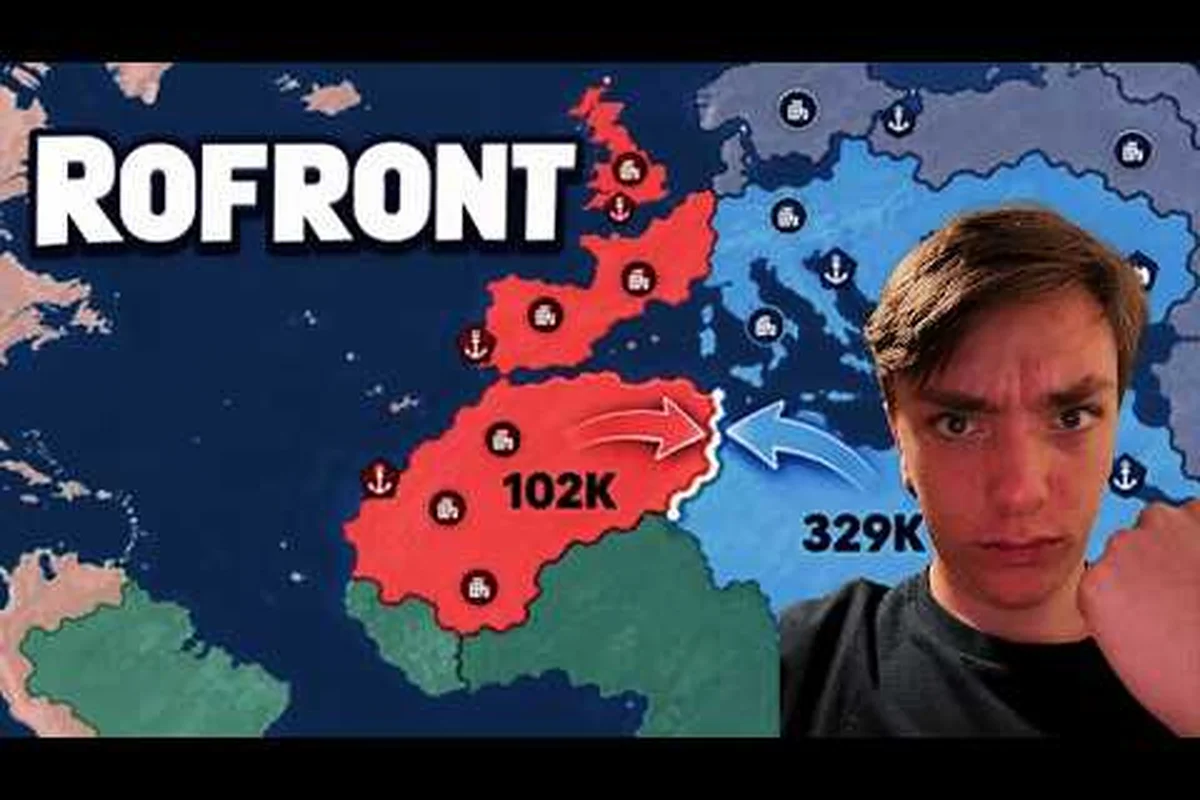
RoFront rofront how to defend with stronger troop reserves
Learn rofront how to defend by building factories near cities and ports, reserving troops for incoming attacks, and choosing upgrades that protect your territory.

RoFront how to send troops for claims and attacks
Learn rofront how to send troops using 1k claims, smart target selection, troop saving, and safer attack timing.
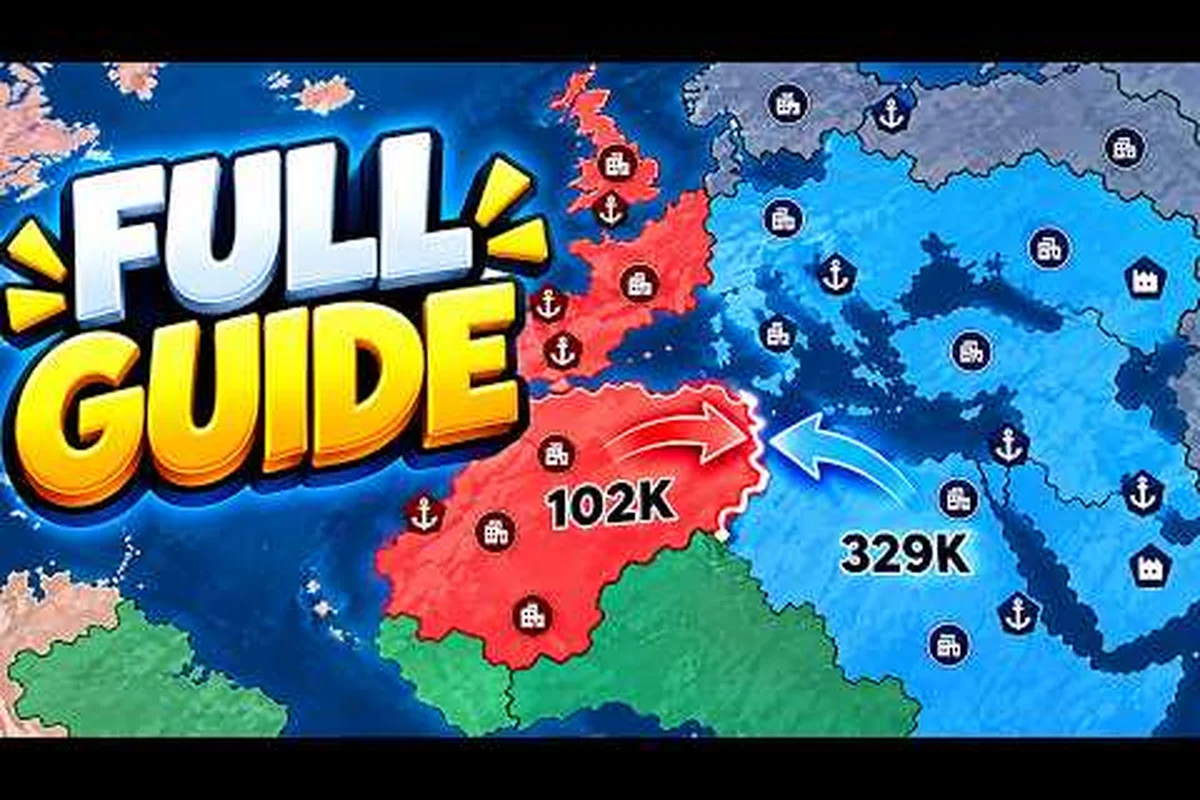
RoFront rofront best attack strategy for PvP victories
Master rofront best attack strategy with 1k troop claims, smarter stack timing, target selection, and factory-funded launches that catch rivals unprepared.
All Articles

RoFront rofront early army guide for safer first expansions
Build your opening force with this rofront early army guide, using factory income, 1k troop stacks, and patient expansion before challenging player nations.

RoFront how to build an army without wasting troops
Build your RoFront army by funding cities, ports, and factories, training troops, and deploying small stacks before major attacks.
RoFront rofront how to win fights with balanced troop stacks
Learn how to win RoFront fights by saving troops, avoiding early PvP, sizing stacks carefully, expanding when strong, and using factories wisely.

RoFront military guide: train, save, and deploy troops
Master the rofront military guide with proven priorities for training troops, saving early stacks, funding your army, and preparing for territorial attacks.