
Nations
All 88 player nations share one map but not one fate. Learn starting picks, coastal and landlocked trade-offs, tribes and the best nation for your playstyle.
Introduction
RoFront is fundamentally a game about nations. Up to 88 player nations and hundreds of AI tribes are dropped onto one shared world map, and every single nation begins the match with a single territory. That means your starting position is the first and most important strategic decision you make. A coastal start opens early port economies, a landlocked start usually rewards aggressive expansion for trade access, and island starts create natural defensive borders. Beyond the players, tribes occupy the gaps between nations and can be cleared to open fresh expansion routes. This category collects everything we know about starting picks, tribal behavior, and how to match a nation to your preferred playstyle, drawn from the verified game description and community strategy discussion.
Starting Position Quick Reference
| Starting Position | Early Game | Strategy | Best For |
|---|---|---|---|
| Coastal Start | Ports and trade income early | Build a port economy before rivals close in | Trading and navy playstyles |
| Landlocked Start | No direct sea access | Expand aggressively to reach trade and borders | Early aggression |
| Island Start | Natural water defenses | Develop behind the sea while rivals fight | Solo builders |
| Shared Border Start | Immediate player contact | Defend early and time declarations carefully | Experienced diplomats |
| Tribal Frontier | AI tribes on the doorstep | Clear tribes to open clean expansion routes | Expansionists |
Position Breakdown
Coastal Start
Port economies and trade income open early
Landlocked Start
No sea means you must push outward fast
Island Start
Water borders give you one of the safest openings
Shared Border Start
Immediate player contact from the first minute
Tribal Frontier
AI tribes on your doorstep shape your route
Core Mechanics
The nation system in RoFront is simple to understand but rich in consequences. Every player controls one nation, and every nation starts with one territory on the shared world map; the remaining countries are claimed by other players, while AI tribes fill the territory between them. Your starting position creates your first trade-offs: coastal nations can build ports early for income, landlocked nations must push outward to reach the sea and trade, and nations that start next to players face immediate pressure from human opponents. Tribes are the map's neutral monsters — they occupy land you need, and clearing them opens routes for expansion. Because all 88 positions share the same map and the same 80% win condition, the nations category is really about reading how position, neighbors and tribes interact to shape everything you do next.
Advantages
Knowing the nations system gives you a huge first-move advantage. When you understand that every nation starts with one territory, you stop wasting time trying to play a start as if it were something it is not, and you can instead read your position and build accordingly. Seasoned players point out that coastal starts let you open ports earlier, while landlocked starts usually force you to expand aggressively just to survive, so knowing which of those you prefer lets you pick a start that matches your playstyle instead of fighting against it. Understanding tribes is equally valuable: treating them as obstacles to clear, rather than threats to fear, makes early expansion far smoother. The result is better nation selection, less wasted expansion and a much stronger opening across every match.
Challenges
Nation data in RoFront is far from officially documented. The game description confirms 88 player nations and hundreds of tribes, but it does not publish a roster, starting-position list or any per-nation bonus numbers. That means much of what players know about coastal, landlocked and island starts comes from community strategy posts and video discussion rather than confirmed game files. The tribe behavior model is even less certain — the description only says tribes exist, not how they act. Because of this uncertainty, every archetype in this category is best treated as a strong tendency, not a rule. Two lobbies can feel completely different, and the exact nation distribution changes from server to server, so flexible players will always outperform anyone who memorizes one fixed opening.
Frequently Asked Questions
How many nations can play in one RoFront match?+
What is the best starting position in RoFront?+
What do tribes do in RoFront?+
Quick Tips
Match your nation pick to your early-game tolerance for risk. If you hate losing your army in the first ten minutes, pick a coastal or island start with natural defenses and build a port economy before anyone reaches you. If you thrive on early conflict, pick a start that borders real players and use that pressure to grow fast. The single biggest nation mistake in RoFront is playing an aggressive landlocked start while spending your whole army on a passive port build — the two halves of your plan fight each other from the very first minute.
Treat tribes as resources, not just obstacles. Because tribes sit between players, clearing them does two things at once: it opens clean expansion routes for you and it removes potential shelter for enemies later. The community consensus is to clear the tribes on your expansion path early, before a player coalition grows strong enough to contest the same land. Just like unclaimed land, match your stack size to the job — overpower the tribe post with a solid stack instead of dribbling reinforcements in one small group at a time.
Read your neighbors before you choose a strategy. Your starting position matters, but who controls the surrounding countries matters just as much. If you spawn near AI tribes and empty land, you can afford a longer economy build before the first war. If you spawn next to two aggressive players, skip the slow port rush and train troops immediately, even if it delays your buildings. Adjust the general nation advice in this category to your lobby every single time, instead of following one fixed opening in every match.
Featured
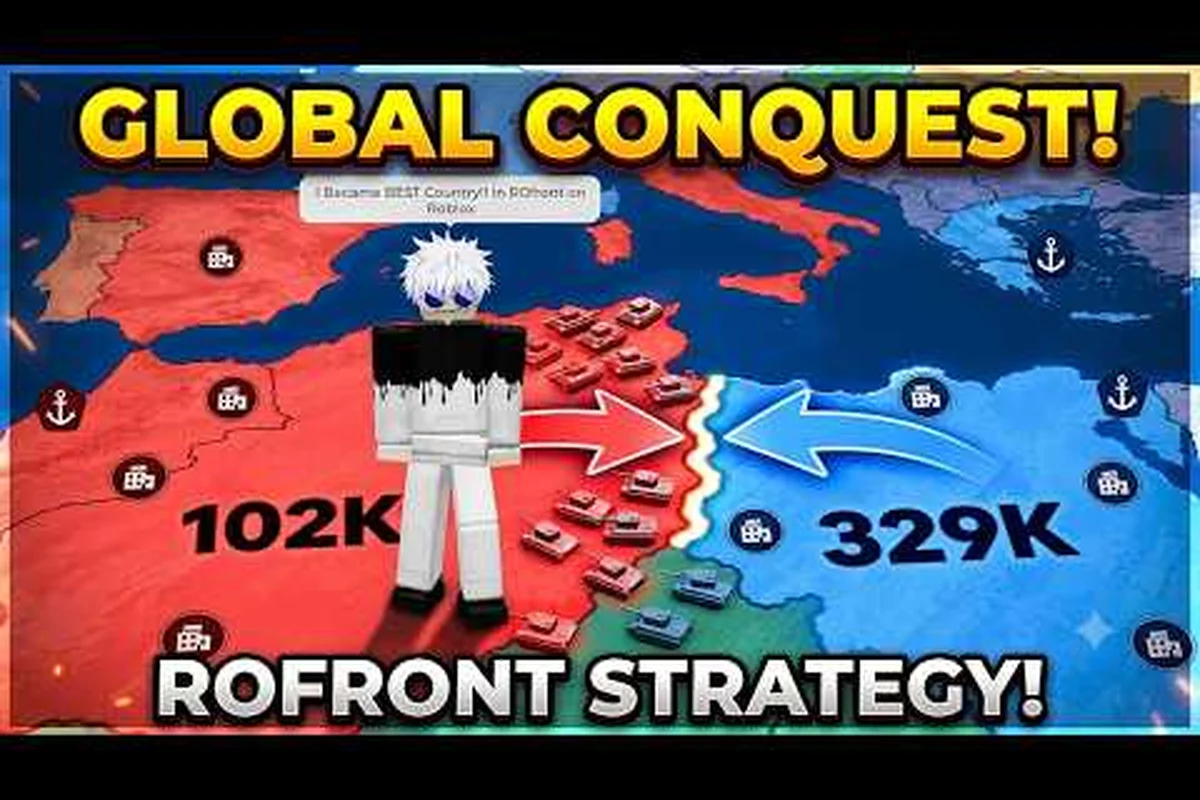
RoFront all nations: 88 countries, tribes, and factions
Explore rofront all nations, including 88 player-controlled countries and hundreds of AI tribes sharing one map, plus the territorial roles that shape each faction.
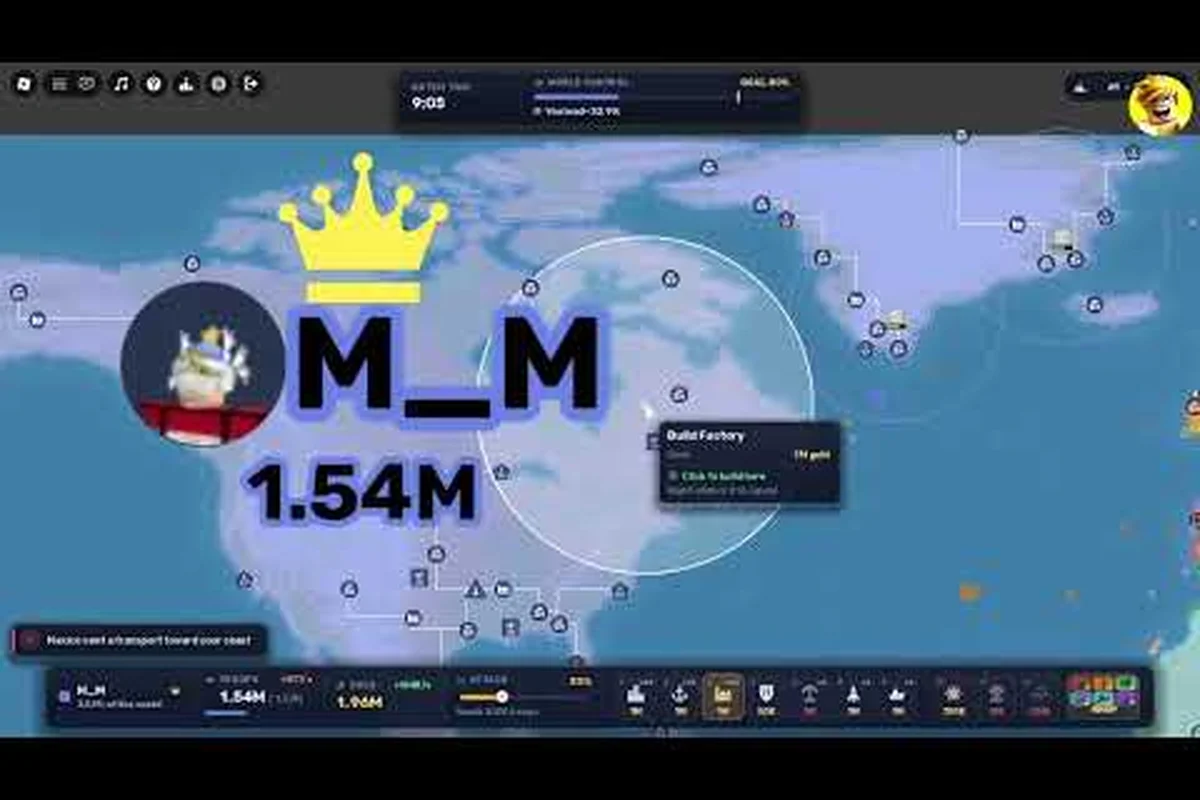
RoFront rofront how to choose a nation for a smart start
Use this RoFront nation guide to compare starting position, nearby threats, land access, and economic potential before choosing your first territory.
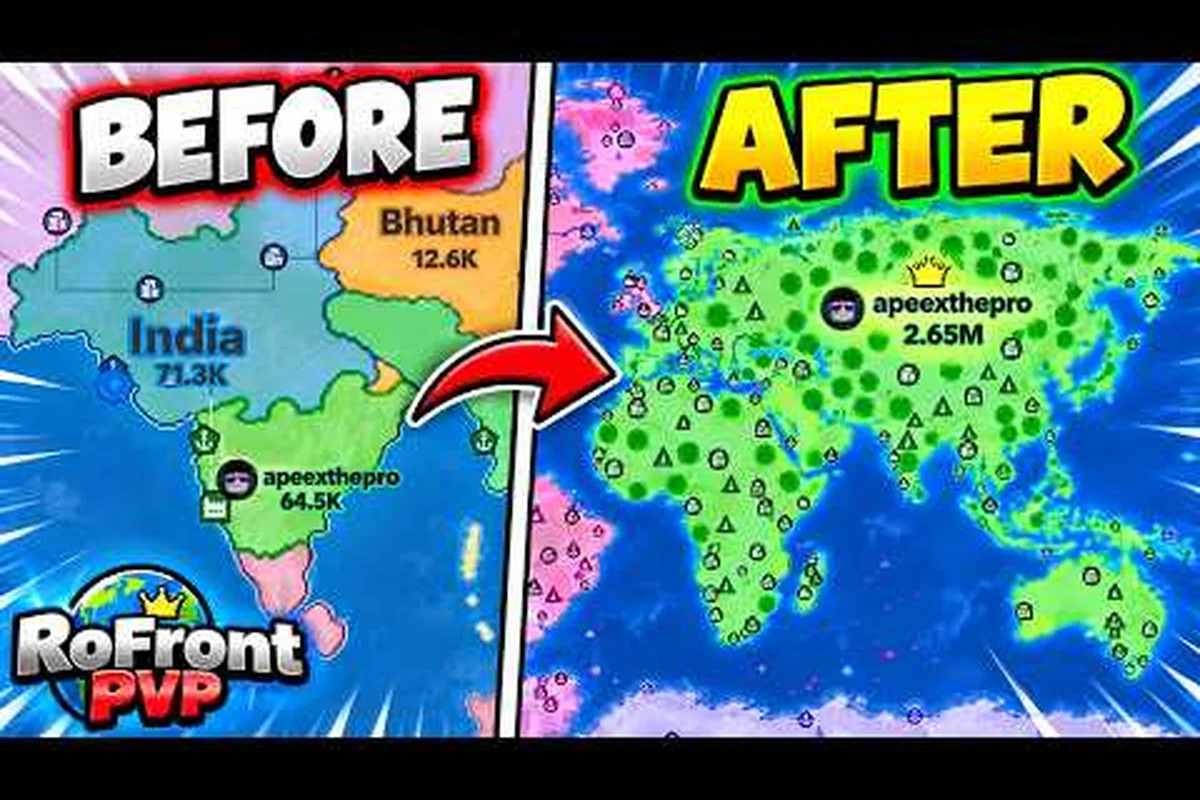
RoFront nation advantages: cities, ports, and factories
Learn how rofront nation advantages from cities, ports, factories, and alliances can strengthen your economy, territory, and military reach.
All Articles
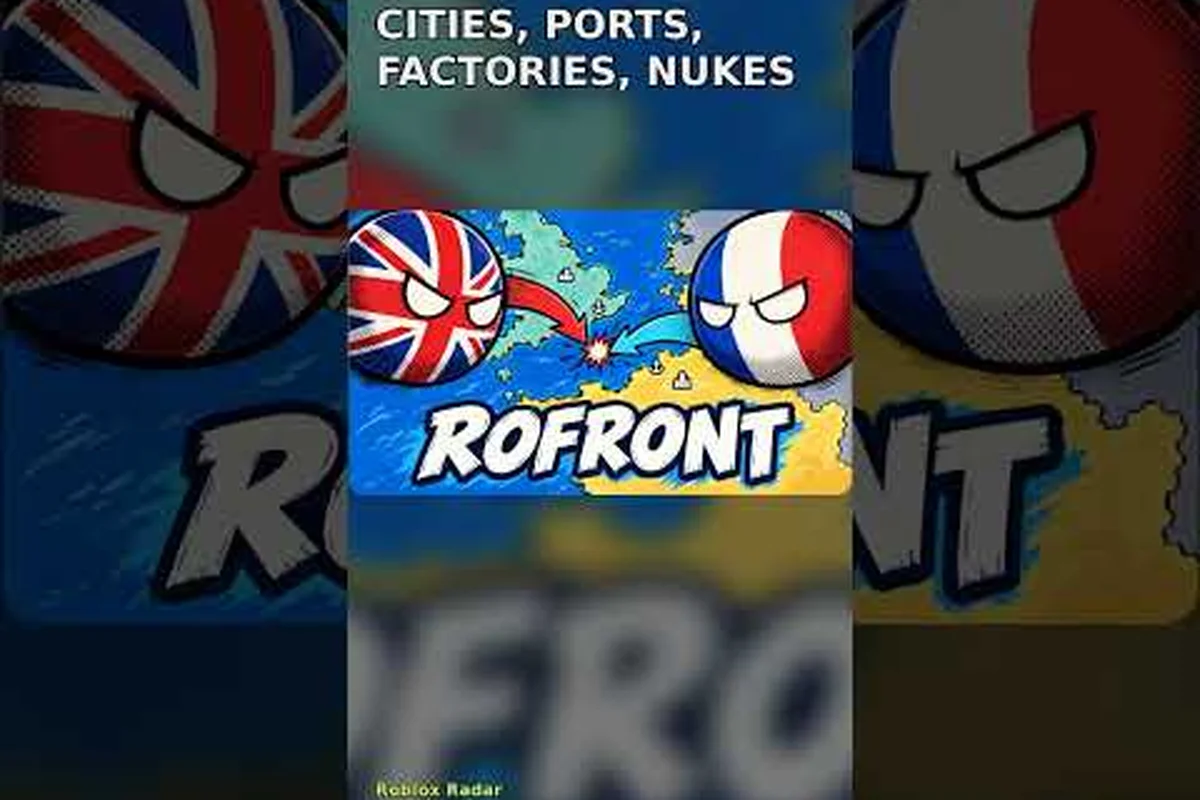
RoFront nation expansion strategy: grow from one base
Master rofront nation expansion strategy to grow from one base, fund a stronger army, attack neighbors, and build territory across the shared world map.
RoFront nation names: real countries mapped worldwide
Browse RoFront nation names based on real countries and learn how island, coastal, and landlocked locations shape territorial strategy.
RoFront strongest nation compared for smarter starts
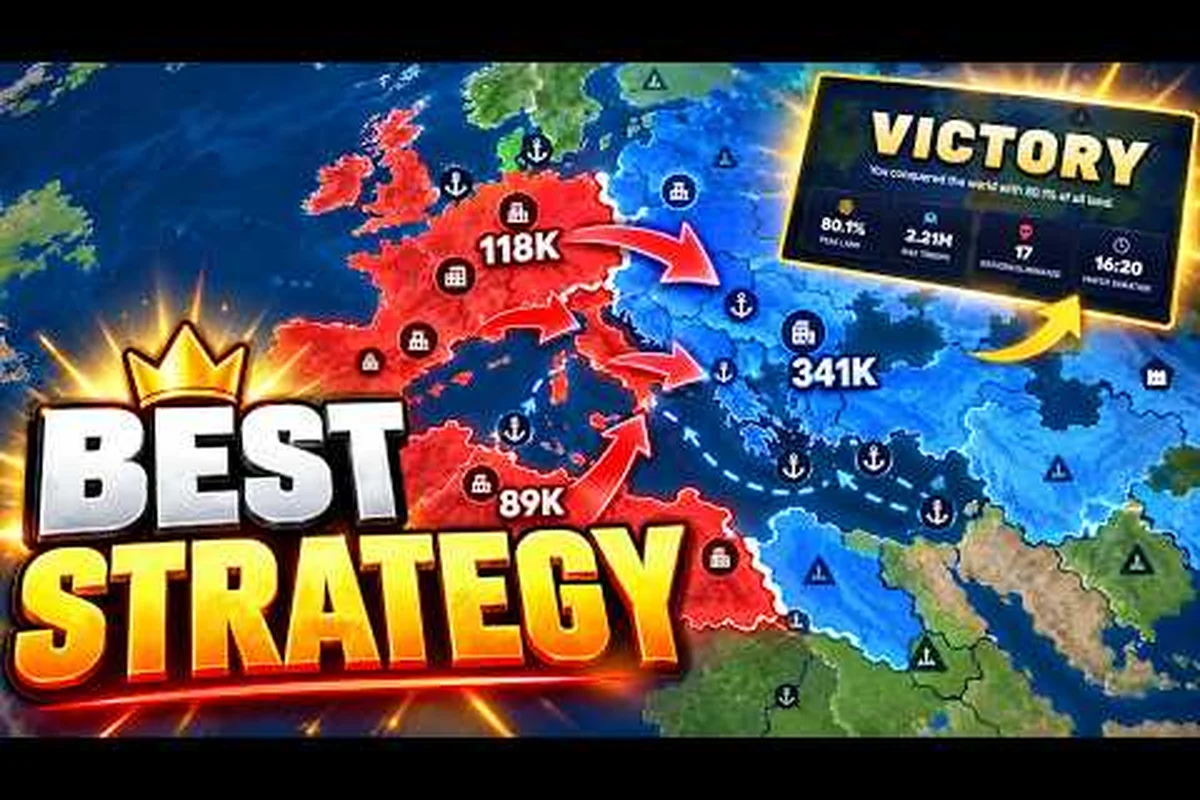
Compare the rofront strongest nation options across starting position, map surroundings, military pressure, and early expansion potential.
RoFront rofront what are tribes? AI factions and tactics
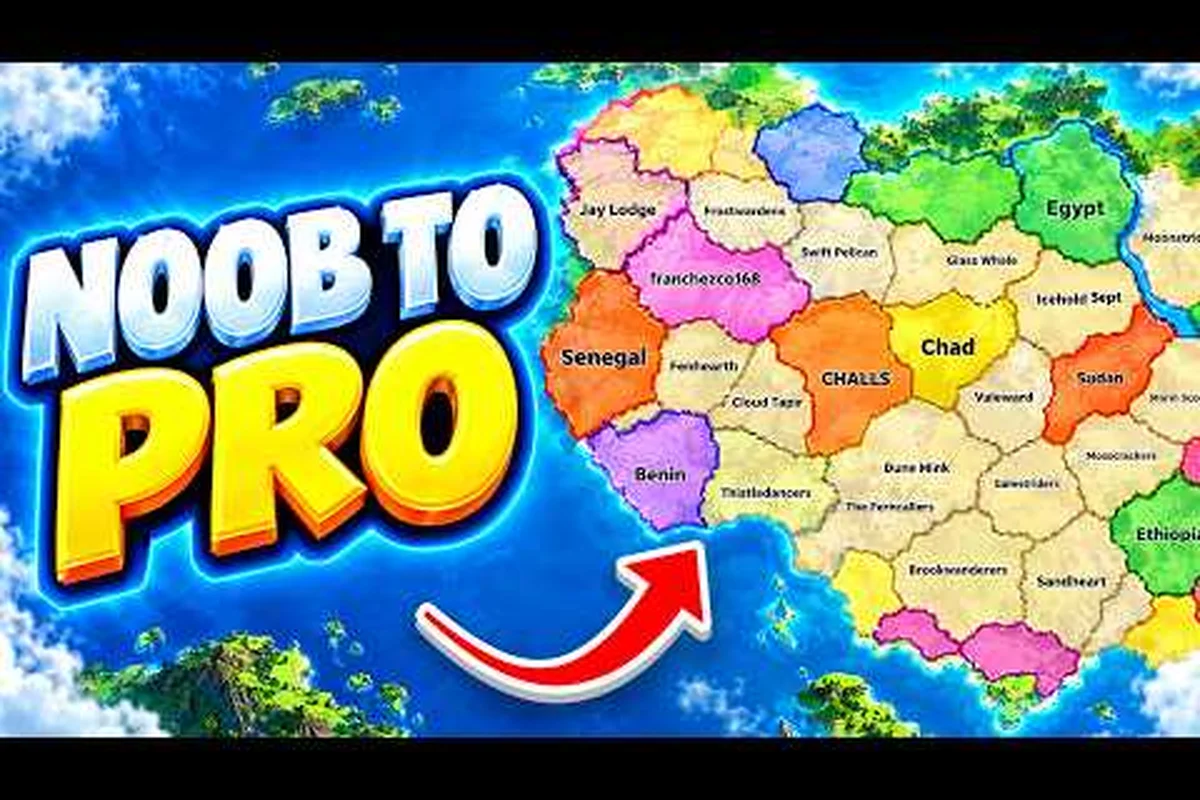
Learn rofront what are tribes, why hundreds of AI factions occupy the map, and how to clear them safely while conserving troops for expansion.